Archery Bows – Explained
Our members use two main types of bows – Recurve and Compound. These two bow designs are by far the most frequently used bows for competition and hunting. Which you might choose to buy and use just comes down to personal preference and whether the style of bow fits you and your archery goals.
The Recurve Bow
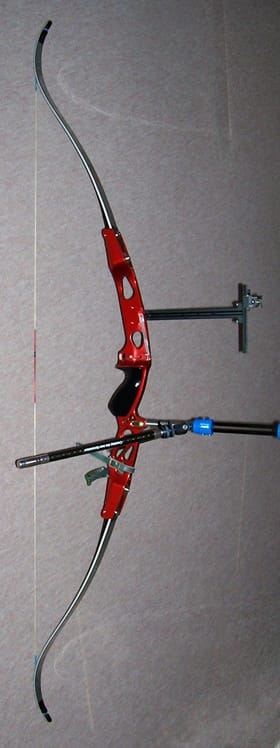
The recurve bow is a modern adaptation of the classic bow designs that have been crafted and used across the globe for thousands of years. It is the exclusive bow style featured in Olympic archery competitions. With the bow string removed, the tips of this bow curve away from the user. This curve is reversed in direction when the bow string is installed, curving the bow tips back towards the vertical. This places great tension on the bow string and is the source of the recurve bow’s power.
When the bowstring is drawn, energy is stored in the bow limbs and then released to propel the arrow, often reaching speeds over 200 kilometres per hour. While traditional recurve bows were typically fashioned from wood, today’s versions incorporate advanced materials like laminated carbon fibre, carbon foam for the limbs, and risers made from aluminium or carbon fibre.
Modern recurve bows are commonly equipped with sights and stabilisers to help archers achieve greater accuracy. Some people relish the challenge of shooting “barebow” style without the aid of sights or stabilising weights. However, for many users, the main challenge of the recurve bow is the strength required to hold to fully drawn bow string and arrow in the moments before arrow release. But over times, practice and strength training helps minimise muscle quiver and improves aim. For some users, this challenge is part of the appeal of the recurve bow.
The Compound Bow
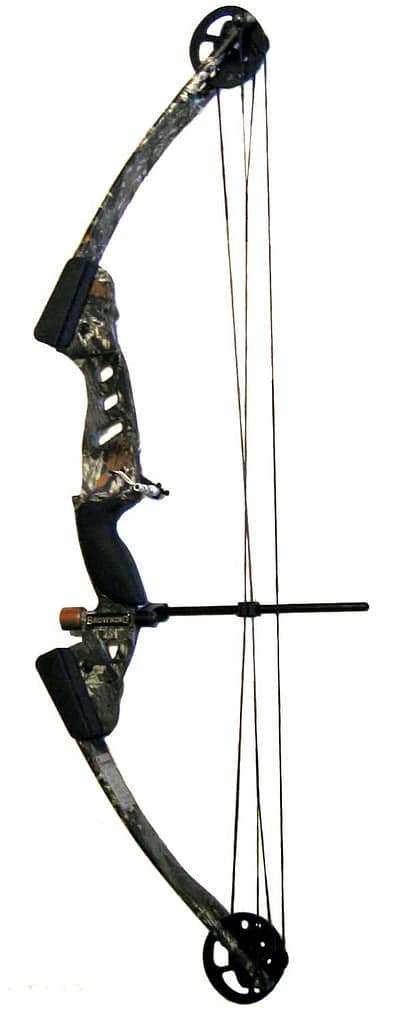
The compound bow is a more recent, and radical, advancement in bow design. Energy is still stored in the limbs of the bow, much the same as the recurve, however the compound bow utilises a levering system, usually of cables and pulleys, to bend the limb into compression and store energy. However, the unique feature of the compound bow is the greatly reduced physical strength needed from the archer to hold the bow at full draw. This can provide a more comfortable, and less rushed, shooting experience where the archer has more time and bow control to accurately aim and release the arrow. Archers can use magnifying sights and mechanical release aids, making the compound much more accurate from a greater distance than other types of bows.
Compound bow risers can be made of aluminium or carbon fibre and the limbs are usually made from fibreglass. Some of these designs are quire complex with multiple pulleys, cams and the string routed multiple times between the bow limbs.
Joining an archery club and getting to experience various styles of bows, weights and pull weights is the perfect way to decide if recurve or compound is best for you.